
How to Turn Your Family Reunion Into a Profitable Yard Sale
A family reunion is just a yard sale where the merchandise hugs you and asks about your love life.
Both events feature card tables, sunburned strangers, and one adult weeping quietly behind a minivan.
Hold them on the same Saturday, so nobody can flee one without the other.
Learning how to turn your family reunion into a profitable yard sale means weaponizing the one weekend everyone already shows up guilty and overdressed.
You get free foot traffic in cargo shorts. You get free labor that owes you for college. You get four decades of garage clutter nobody will claim under oath.
Americans run roughly 165,000 yard sales a week, pulling in about $4.2 million in weekly garage sale revenue, and your bloodline is already responsible for most of the regret in that number.
Your relatives are the inventory
The genius of stacking the reunion on the sale is that guests arrive pre-loaded with stuff.
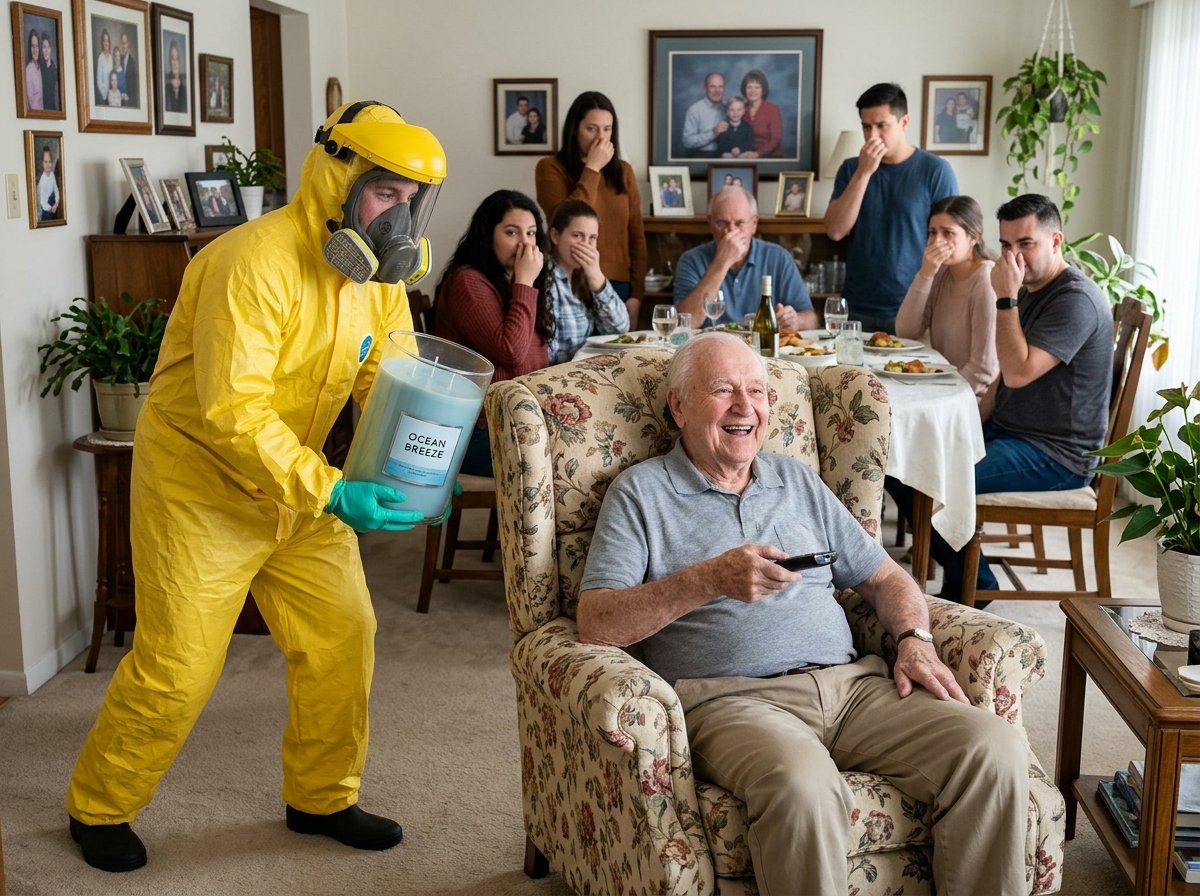
Aunt Carol shows up with a trunk of candles she insists are an investment.
Uncle Rick brings a tote labeled “movies” that you will price firmly and sight unseen, then sell only to buyers over forty.
Cousin Brayden brings a vape the size of a fire extinguisher and the negotiating instincts of a damp sponge.
None of them think they are donating to the cause. That is the cause.
The average sale clears only $100 to $200 in profit, which sounds bleak until you remember you spent zero dollars acquiring the goods or the staff.
You are not running a yard sale. You are running a very polite estate sale where the estate is still breathing and bringing potato salad.
Free labor has never been so disposable
Every relative gets a job, consent optional.
The teenagers run the tables, since their thumbs already work at inhuman speed.
The uncles handle furniture, having spent their whole lives lifting things they shouldn’t.
Grandma works the register, because she remembers prices from 1974 and will not be cheated by a man in flip-flops.
Multi-family sales are the gold standard here, and the magic words “multi-family” in your ads work like catnip on bargain hunters, a trick one blogger used to clear $1,549 in a single weekend.
The catch is bookkeeping, because your family does not trust each other and never should.
Give every household its own sticker color and a separate cash box, the same color-coded system the two-to-four family sweet spot runs on.
- Carol gets pink, which she will find symbolic and discuss at length.
- Rick gets orange, the color of a man who has not read a contract since his second divorce.
- Your mother gets green and a clipboard, and she will use both as weapons.
- The kids get a roll of “FREE” stickers they are forbidden from touching.
The bar pays for the tent
Booze is overhead.
A lubricated relative haggles softer and lifts heavier, then forgets which box was technically his.
But a too-drunk relative will sell Grandma’s wedding ring for eight dollars and a compliment.
The sweet spot sits somewhere between “loose enough to part with the recliner” and “tight enough to remember the recliner exists.”
Pricing things while their owner watches
This is where the family bonds shatter like a thrift-store gravy boat.
The clean rule is to price fair items around 10 percent of retail, good items near 30 percent, and barely-used things at 50 percent, the math personal finance folks swear by.
Your family will violate this within ninety seconds.
Stop. Your high school trophies are not vintage. They are evidence.
Nana will price a chipped figurine at $90 because it “watched her raise four children,” and that origin story is the precise reason a total stranger wants nothing to do with it.
Rick will mark his ex-wife’s old treadmill “barely used,” a phrase describing both the machine and Rick.
The hardest conversation is the divorce furniture, that beautiful sectional bought in love and now radiating a haunted energy no amount of Febreze can lift out of the cushions.
Sell it cheap and fast, before your aunt narrates the entire marriage to a stranger.
Grief is just inventory you have not priced yet, and the family that prices it together stays out of court together.
Resist sentiment. Your feelings are not a markup.
Signs that promise more than your family can deliver
Signage is your number one tool, and yours has a second job as a warning.
Big arrows, bold letters, no cardboard scrawled in pencil by a child with a grudge.
Blanket every intersection within striking distance, the way the closest-major-intersection strategy recommends, because most buyers find you by driving past, not by destiny.
Put your loudest junk near the street so a slow-rolling car finds a reason to brake.
What the sign should say:
- HUGE MULTI-FAMILY SALE, in letters visible from a passing helicopter.
- The address and a giant arrow. Nothing about the family.
- A small, beautiful lie: “Everything must go.” Some of it is people.
Do not, under any circumstances, let Brayden design the sign.
Marketing a sale that is technically a hostage situation
Post the sale everywhere a bargain hunter lurks, and they lurk in dark and predictable places.
List on Facebook Marketplace and Craigslist five days out, so the vultures can circle.
Lead the photos with your big sellers, because tools, furniture, and working electronics are what move the real money, sometimes turning a good sale into $500 to $1,000.
Schedule for a Saturday morning between 7 and 11, when serious shoppers arrive caffeinated and your relatives have not yet started “resting their eyes.”
Aim for the first weekend of the month, when people just got paid and have not blown it yet.
One word of warning about the early birds.
Yard sale “squatters” famously set up on busy corners that aren’t even their own, a real and documented breed of opportunistic sidewalk merchant, and one will try to annex your driveway.
Haggling is a contact sport
Every shopper who shows up before 8 a.m. is a professional.
Roughly 42 percent of shoppers arrive expecting to negotiate, and they will lowball a quarter on a 50-cent item with their whole chest.
Let them. The goal is volume, not vengeance.
Set one family rule above all others: nobody negotiates against their own blood, because Brayden will undercut his grandmother for sport and a fresh vape pod.
The first offer is almost never the real one, so smile and go quiet, then let the silence do your haggling for you.
If a man in socks and sandals calls the lamp “a little overpriced,” he has already decided to buy the lamp.
Never explain an item’s sentimental value to a buyer.
To a stranger, “my late father built this” is not a selling point, it is a haunting they did not agree to take home for $4.
What sells, what stays buried in the yard
People will buy almost anything that is clean and priced, as long as it is not visibly cursed.
Clothing alone drives a huge share of every sale, so wash it and hang it up, then quit apologizing for it.
The proven winners:
- Tools, because someone’s husband is “starting a project” he will never finish.
- Furniture and lamps, which sell fast when buyers can see them from the curb.
- Working electronics with the chargers attached, you animal.
- Kids’ clothes and books, which move at a buck each and clear out shockingly fast.
Then there is the other category, the box every family keeps that should be sold, donated, or exorcised.
Rick’s “movies” go behind the table, cash only, no eye contact.
The mystery massager that has appeared at three reunions running does not get a sticker. It gets a shovel.
Anything still humming when you unplug it is a “you problem,” not a $3 problem.
Cashing out before anyone counts the drawer
The reunion ends. The cash remains. This is the dangerous part.
Total each color and settle each cash box, and do it before Rick “helps” by reorganizing the singles into his pockets.
Keep at least $100 in small bills and coins on hand from the start, because nobody breaks a fifty for a 50-cent paperback.
Good news for the paranoid: the IRS generally does not make you report garage sale money unless you sold something for more than you paid, and almost nothing in your garage appreciated.
Grandma’s lamp did not become a Picasso next to the water heater.
Split the take honestly and hug it out, then start gently lying about next year’s reunion.
The furniture and candles will be gone, and Carol is already eyeing your stuff for the sequel.