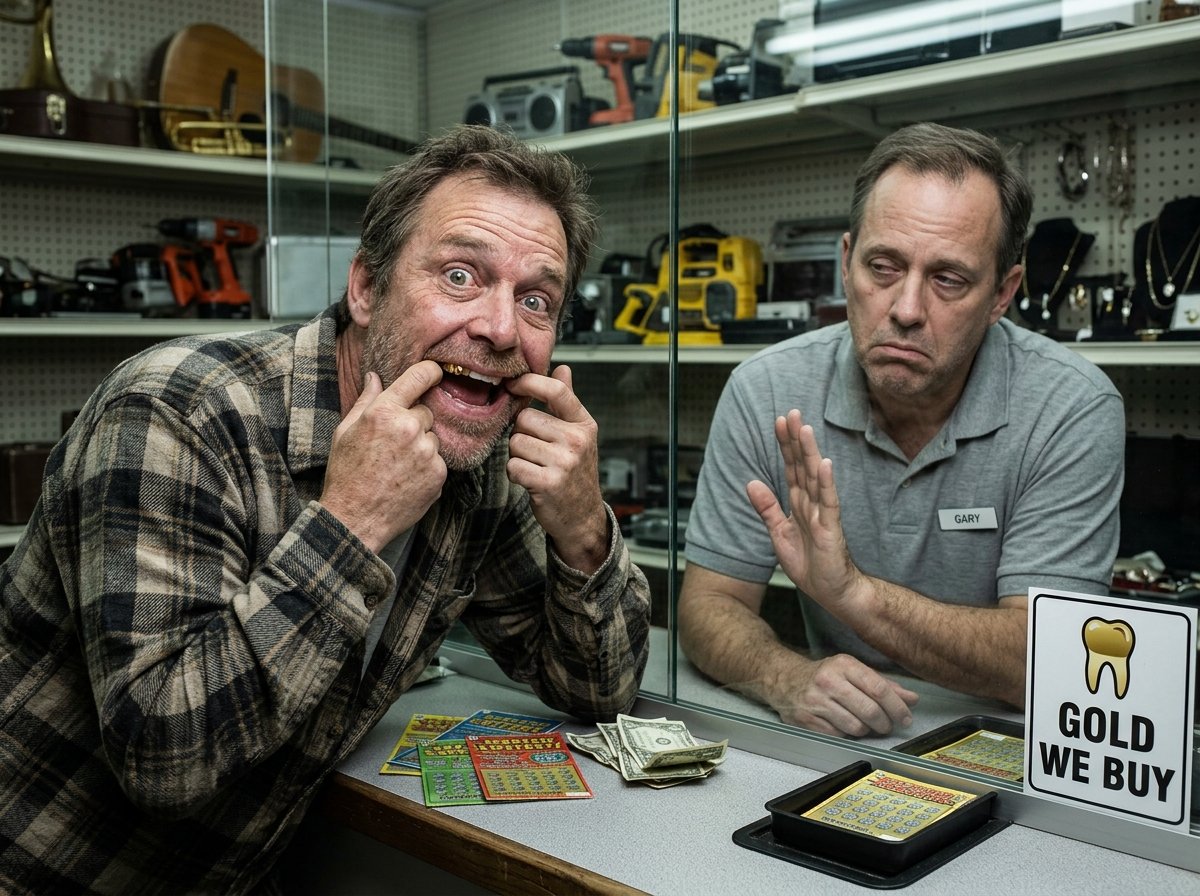
The Biggest Financial Mistakes Lottery Winners Make
The biggest financial mistakes lottery winners make aren’t gentle little slip-ups. They’re the money equivalent of winning a Ferrari and immediately reversing it into a lake.
Sudden wealth does something deeply unholy to the human brain.
One day you’re rationing the good cheese. The next you own a private plane you can’t legally fly and a brother who is suddenly very interested in your will.
Both of those things happened to one real man.
His glorious meltdown is coming up, and it is a ride.
The pattern repeats so reliably it basically qualifies as a genre. A normal person catches a tidal wave of cash, then spends three years proving the universe made a clerical error.
The cruel part is how avoidable almost all of it is.
The check says $300 million. You are not getting $300 million.
Nothing humbles a brand-new millionaire faster than the IRS, which shows up to your party uninvited and eats the cake before you’ve cut it.
The advertised jackpot is a gorgeous lie. The lump-sum cash option gets hacked down to roughly half the headline number before a single tax is calculated.
Then the government gets cozy.
The IRS withholds a flat 24% off the top on any prize over $5,000, which sounds reasonable right up until you learn it’s only the appetizer.
A jackpot that big body-slams you into the top federal bracket of 37%, so you owe the difference at tax time whether you set the money aside or not.
Most winners did not set the money aside.
Then your home state saunters over with its hand out, and state withholding runs from 2.9% in North Dakota to a vicious 10.9% in New York.
Winners who ignore all this don’t plan around a smaller pie. They plan around the whole bakery, then act personally betrayed when the bakery catches fire.
Congratulations, you now have 400 cousins
The instant your face hits the news, you become the most beloved human within a forty-mile radius.
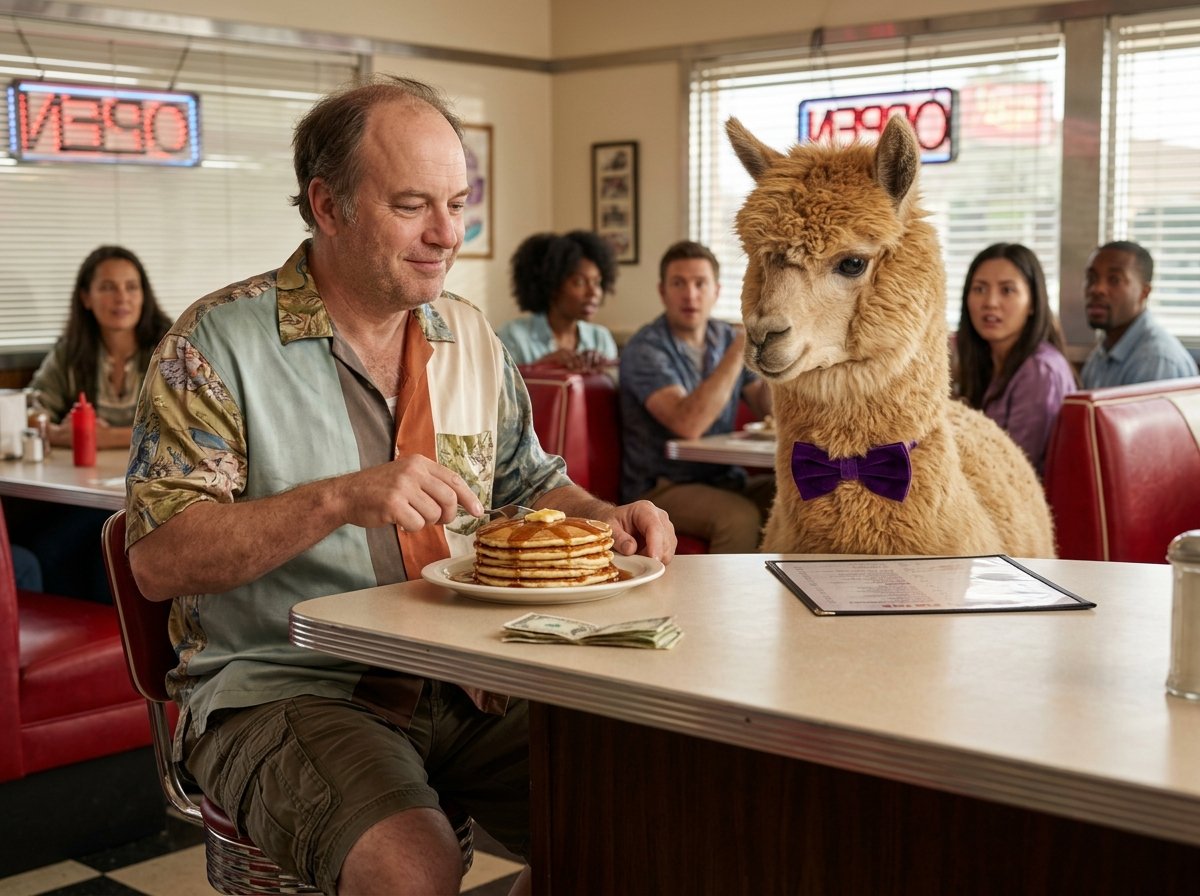
Strangers will appear holding a heartfelt story, a sick relative, and a business plan involving alpacas or an energy drink for dogs.
Saying yes to all of them is the fastest legal way to incinerate a fortune.
Consider Michael Carroll, the British teenager who won £9.7 million in 2002 and instantly earned the tabloid nickname “Lotto Lout.”
He reportedly handed seven-figure gifts to his mother, aunt, and sister, which is sweet until you remember that’s how millions become a fond memory.
The relatives are at least related.
The scammers are worse. They roll up with a warm smile and a clipboard.
One Missouri great-grandmother won $2 million, then trusted a con artist who, under the cover of handling her taxes, stole and spent every last cent of it before being sent to prison.
That’s the real horror of winning. You don’t just attract friends. You attract a casting call for villains.
Some family skip the smile entirely. William “Bud” Post was generous to his siblings after his win, so naturally one of them hired a hitman to kill him and inherit early.
Nothing says “thanks for the new car” like a contract killing.
A short, ugly tour of the Lottery Hall of Shame
Some stories are too perfectly idiotic to paraphrase, so here is the highlight reel of human judgment at its wealthiest.
Bud Post is the patron saint of the whole genre.
He had almost nothing to his name and pawned a ring just to buy the ticket.
His spree was a fever dream. He won $16.2 million and blew it on a mansion, a sailboat, several cars, and a plane he couldn’t fly, before ending up on a $450 monthly disability check.
The plane, presumably, never left the ground.
Then there’s Jack Whittaker, whose story is the dictionary definition of too much, too fast.
Whittaker liked carrying obscene amounts of cash around for no clear reason.
Thieves once swiped a briefcase holding $545,000 from him at a strip club, and when asked why he hauled around that much, he answered, “Because I can.”
Three words that have bankrupted more men than every casino combined.
And Carroll, the teenage Lotto Lout, delivered a true masterclass in maximum-velocity self-destruction.
By his own admission he was torching around £2,000 a day on cocaine, with the rest evaporating on cars, parties, and companionship of the hourly variety.
By 2010 the money was gone and Carroll reapplied for his old job as a binman. The throne of the self-proclaimed King of Chavs, it turns out, had a return policy.
Spending like the cash has a self-destruct button
Here’s the math nobody at the lottery office whispers in your ear.
A lump sum is not a salary. Treating a one-time fortune like a yearly allowance is how you learn, very painfully, that decades last a long time.
Planners suggest pulling only about 3% to 4% a year to keep the goose alive. On a $10 million win, that’s a $300,000 lifestyle, not a $3 million one.
New winners hear “three percent” and immediately shop for a yacht to keep the first yacht company.
The classic windfall starter pack usually looks like this:
- A mansion with eleven bathrooms, eight of which no human will ever use.
- A garage of supercars bought faster than a body can physically drive them.
- A “can’t-miss” business pitched by a guy named Dave at a barbecue.
- Jewelry, holidays, and the endless monthly upkeep that quietly devours everything else.
That last one is the silent assassin. The mansion was a one-time hit, but the property tax, staff, and insurance recur forever like a subscription you forgot to cancel.
Lifestyle creep doesn’t sprint. It strolls in, kicks off its shoes, and moves into your guest room for good.
Firing your common sense and hiring nobody
The most expensive belief a winner can hold is “I’ve got this.”
You do not got this.
You’ve never managed nine figures, and your last big financial decision was probably choosing the scratch-off ticket with the shiniest little design on it.
Smart winners treat themselves like a company.
They hire a real team of professionals before signing a single thing.
A good advisor, a sharp lawyer, and a paranoid accountant are the bouncers standing between you and the stampede of grinning vultures.
Skipping that team to save on fees is like skydiving without a parachute to shave off some backpack weight.
Being rich already is no shield, either.
Plenty of winners had real money before the jackpot and still face-planted, gloriously and publicly.
The lump-sum-versus-annuity bet that everyone loses
Win big and you choose between one enormous pile of cash now or steady payments stretched across decades.
Nearly everyone grabs the pile, and a wealth manager who specializes in winners calls that hands-down the biggest mistake they make.
The logic is brutally simple.
The annuity is a guardrail against the dumbest person in the room, who is now you, standing there clutching a giant novelty check.
Blow this year’s installment on something moronic, and another payment still lands next year like a financial babysitter you legally cannot fire.
Take the whole lump now, and the only wall between you and ruin is willpower.
Skim the names above and rate those odds.
So does winning actually doom you? The data is messier than the meltdowns
You’ve probably heard that 70% of lottery winners go broke within a few years, a stat the National Endowment for Financial Education says it never actually produced.
It’s a ghost story with surprisingly good PR.
So the most terrifying number about lottery winners is one that nobody can even source.
The internet simply liked it and adopted it, like a stray cat made of pure misinformation.
The verified data is sneakier and somehow more brutal.
One academic study tracked Florida winners and found that a big windfall only postponed bankruptcy rather than preventing it.
Read that twice.
The cash didn’t fix the people. It just bought them a couple of extra years before the same crash arrived right on schedule.
It gets worse, because the CFP Board reports that nearly a third of winners eventually declare bankruptcy.
Line those findings up and the truth is ugly. A jackpot isn’t a cure for bad money habits; it’s a megaphone that makes them louder and far more expensive.
Here’s the twist that ruins the morality tale, though.
When researchers studied a huge group of Swedish winners, they found little sign that winners blow it all on frivolous junk, with many enjoying steady gains for over a decade.
So the boring, responsible winners absolutely exist.
They just never get a news segment, because “man wins money, invests sensibly, remains pleasant” is not a headline.
The horror stories are real. They’re simply the loud minority, while the quiet majority is too busy not exploding to be entertaining.
How to win the lottery without becoming a punchline
The fix is almost insultingly boring.
That’s precisely why so few people ever pull it off.
Tell nobody you can avoid telling. Sign nothing for a while. Hire grown-ups before you buy any toys.
Treat the money as a tenth of its real size and live off the interest, like a sensible vampire who fully intends to be around for several centuries.
If the lottery ever does test you, remember the rule every broke winner forgot. It hands you the rope, the ladder, and the keys, then leans back to watch which one you grab first.