
9 Medications Linked to Compulsive Gambling Side Effects
Some pills fix your hands and quietly hand your life savings to a man named Tony at the craps table.
That is not a metaphor. A handful of common prescriptions can flip a switch in your skull that turns “I should really budget this month” into “all of it, on red.”
The usual suspects are dopamine drugs for Parkinson’s and restless legs, plus a few antipsychotics running the same chemical scam.
Nine of them have the receipts.
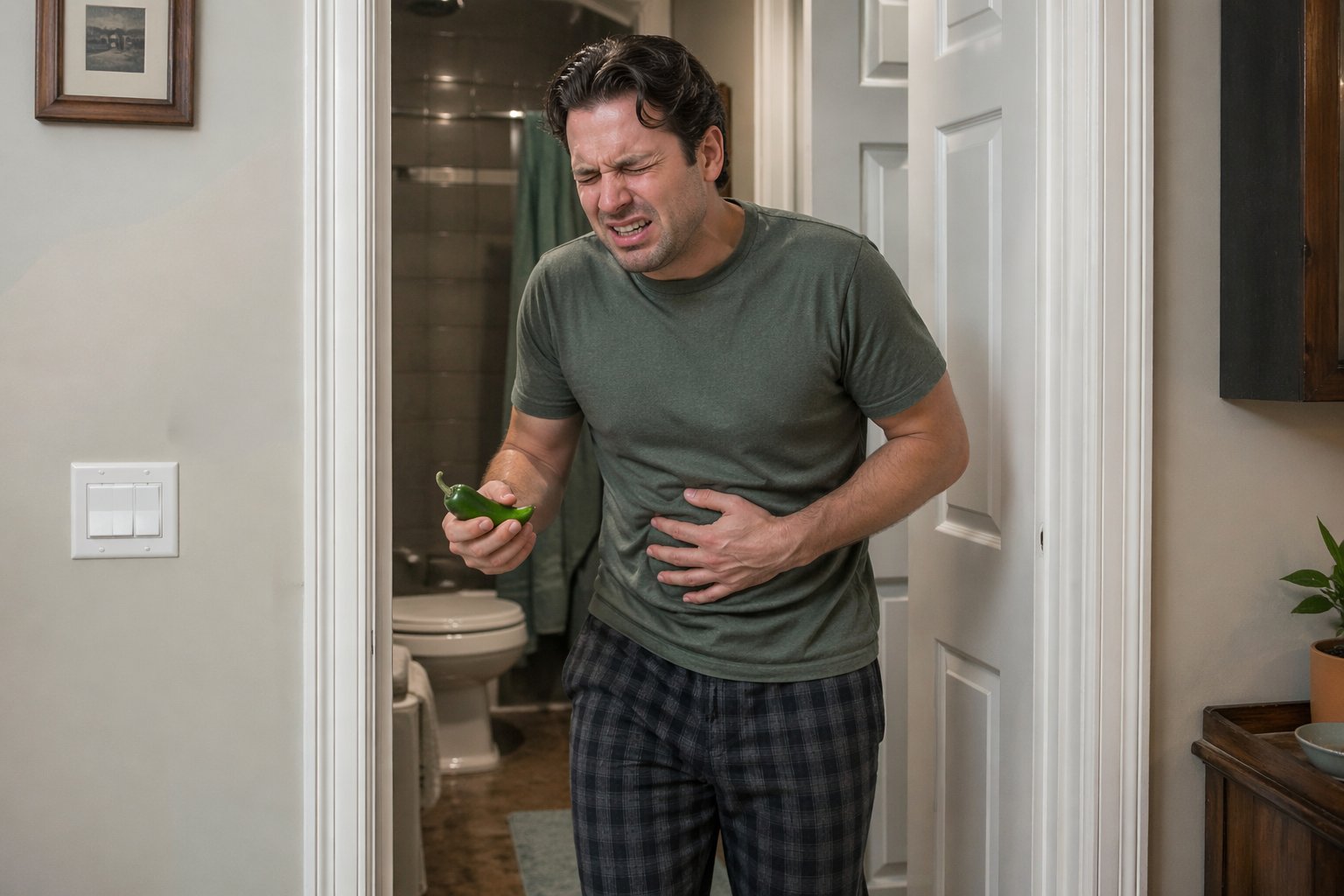
Bet, bone, buy, binge — the side effects nobody requested
Your brain decides it wants to wager, fornicate, splurge, and snack, ideally all four before the cocktail waitress circles back.
It is the worst bachelor party your nervous system never agreed to attend.
In Parkinson’s patients on dopamine drugs, one review clocked gambling at 5%, hypersexuality at 3.5%, shopping at 6%, and binge eating at 4%.
That is a buffet of bad decisions served on a single tray.
So one little pill can have you maxing a credit card, sliding into a stranger’s DMs, and demolishing a sleeve of Oreos before the slot machine even finishes its jingle.
Your dopamine system is a golden retriever holding a credit card
Dopamine is the brain chemical that yells “YES” at anything shiny.
It does not do nuance. It does cartwheels the instant a light blinks and a coin sound plays.
These medications crank that system on purpose, because Parkinson’s and depression genuinely need it cranked.
The catch is that your reward circuit cannot tell the difference between “walk across the kitchen without freezing” and “wire your pension to an offshore poker site at 3 a.m.”
To the receptors, both light up like Christmas.
Cariprazine shows the trick plainly, latching onto the D3 receptor while a woman with well-controlled psychosis fed online slots until her bank balance went negative.
Her hallucinations behaved perfectly. Her checking account did not.
Turn that dial up and the brain stops asking whether it can afford the thing. It only asks where the thing is and whether the thing is open until 4 a.m.
The nine pills moonlighting as casino promoters
An Italian safety review alone flagged gambling cases tied to apomorphine, aripiprazole, cabergoline, levodopa, pramipexole, ropinirole, and rotigotine, which reads less like a drug list and more like a Vegas guest registry.
- Pramipexole (Mirapex) — the heavyweight champ. You walked in for twitchy legs and walked out with a brain that physically cannot fold a bad hand.
- Ropinirole (Requip) — Mirapex’s identical twin, equally delighted to drive you to the riverboat and hold your coat.
- Rotigotine (Neupro) — a skin patch that looks innocent and mails your dignity to the casino one molecule at a time.
- Aripiprazole (Abilify) — the famous one, single-handedly responsible for “antipsychotic” and “class-action lawsuit” sharing a sentence.
- Brexpiprazole (Rexulti) — Abilify’s cousin who summered in the Hamptons and inherited the exact same itch.
- Cariprazine (Vraylar) — newer, sleeker, still fully capable of teaching your checking account a hard lesson.
- Levodopa-carbidopa (Sinemet) — the Parkinson’s classic. Gentler, but it has absolutely been in the room when the chips flew.
- Apomorphine (Apokyn) — a rescue injection whose name sounds like a vice and whose side effects can hand-deliver one.
- Cabergoline (Dostinex) — the deep cut, an old-school agonist still pumping out brand-new regret.
A few of these whisper. A couple of them grab the microphone.
Abilify, the overachiever of the group
If this list crowned a prom king, the sash goes to aripiprazole.
It is prescribed to lift depression, steady bipolar disorder, and quiet schizophrenia, all genuinely good and important things.
Then a slice of users learn their newly upbeat brain is upbeat about one subject in particular: the felt of a blackjack table at 2 a.m.
When the FDA dropped its 2016 warning, it had already logged 164 reports of pathological gambling tied to the drug among roughly 1.6 million patients who had taken it.
The tally only fattened.
By March 2025, the FDA’s dashboard listed 2,289 gambling-related reports connected to Abilify, a staggering amount of rent money funneled into one neurotransmitter.
It moves fast, too, with most cases surfacing anywhere from a few days to a year after the first dose.
People sued. People won.
And it does not work alone, since chemical relatives like brexpiprazole, plus the Parkinson’s helpers amantadine, bromocriptine, entacapone, and selegiline, carry gambling warnings of their very own.
The Parkinson’s pills that calm your hands and gut your wallet
Here come the agonists.
Dopamine agonists are the real menace, and the numbers do not whisper.
The landmark DOMINION study of 3,090 patients found impulse-control disorders in 17.1% of dopamine-agonist users versus 6.9% of non-users, with pramipexole and ropinirole nearly tied at 17.7% and 15.5%.
That gap is roughly the size of a small Vegas convention.
And a margin that thin is two slot machines bickering over which one is more fun.
Stick around long enough and the odds genuinely curdle.
One cohort found that anyone who had ever taken a dopamine agonist hit a 51.5% five-year rate of impulse-control problems, against 12.4% for never-users.
That is coin-flip odds. For a side effect.
Every one of these warnings politely includes the word “rare,” but a better-than-even chance over five years is a lot of adjectives, and rare is not one of them.
Even the mild-mannered patch plays the long con, with rotigotine’s compulsive behaviors creeping to an 8.5% cumulative rate that often stays hidden for four or five years before the bookie calls.
The real totals likely run higher.
When a neurologist asks about side effects, almost nobody volunteers that they have been quietly haunting the casino on the way home from physical therapy.
Picture a retired accountant who spent forty years allergic to risk.
Three months on a dopamine agonist and he is at the riverboat by dawn, betting the hands he can no longer feel were the smaller gamble.
Here is the part that should make a prescriber sweat through a lab coat.
Doctors often reach for dopamine agonists first in younger Parkinson’s patients, yet younger age is itself a risk factor for these very urges.
The exact people steered toward these drugs are the ones most likely to wake up owning a timeshare in Reno they do not remember financing.
The pill chosen to protect their future is the one most likely to bet it.
What to do when your prescription develops a Vegas habit
Nobody here is telling you to flush your Parkinson’s medication down the toilet.
That is a fantastic way to trade a gambling problem for the inability to stand upright.
The real move is boring and it works: tell your doctor the second your brain starts treating a casino like a timeshare.
The FDA notes those urges tend to stop once the dose is lowered or the medicine is discontinued under supervision, so the fix is usually a conversation, not a catastrophe.
Your tremor does not require a bookie, and your restless legs were never asking for a seat at the high-limit table.
Watch for the early tells while you still have furniture:
- A sudden, passionate romance with scratch-off tickets.
- Online-poker tabs multiplying like rabbits.
- An Amazon cart that now qualifies for its own zip code, a mayor, and a modest tourism board.
- Bank alerts you have started ignoring on purpose.
Say something before the slot machine learns your name and starts sending you a Christmas card.