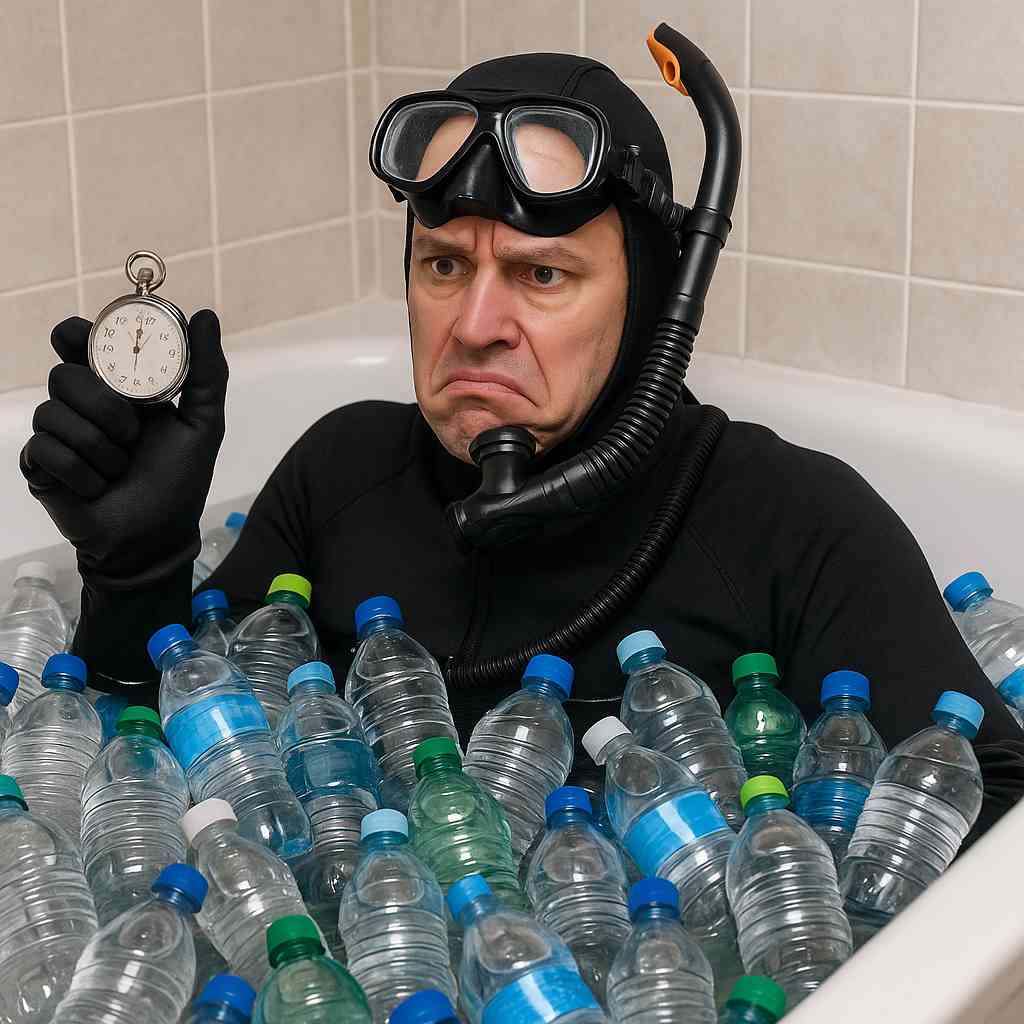

Why You’re Not Allowed to Sell Bodily Fluids on eBay
Ever wondered why eBay’s list of prohibited items includes bodily fluids? Well, sit tight as we explore some of the most whimsical and outright bizarre reasons that make selling your spare plasma on eBay a no-go.
Because Shipping is a Nightmare
Imagine you’re a postal worker, and today’s delivery includes a neatly wrapped package. You’re expecting another bobblehead or perhaps a vintage Beatles record, but surprise—it’s a pint of human saliva! Dealing with leaks and spills from poorly sealed liquid containers is already a day-ruiner, but when the contents are bodily fluids, it adds a whole new level of “I’m not paid enough for this.” Not to mention the special shipping regulations and the potential biohazard risks—sounds like a logistical horror story waiting to happen.
Feedback Scores Would Plummet
Let’s say you managed to ship your fluids without causing a biohazard incident. Next comes the feedback. eBay thrives on seller ratings and customer feedback. Now picture the horror in a buyer’s review: “Item arrived as described, but with an unexpected smell…” or “The blood type was A+, but the packaging was a solid B-“. No one wants to be the seller with reviews that read more like a creepy medical journal than a stellar sales record.
eBay Isn’t a Vampire’s Paradise
It’s a running joke that eBay sells everything except the kitchen sink, and even that might just be a matter of time. However, despite the diversity of goods, eBay aims to maintain a certain marketplace decorum, steering clear of turning into a vampire’s shopping paradise. They probably figured it’s best not to be the go-to place for creatures of the night or mad scientists in need of fresh plasma.
Who Sets the Price for a Gallon of Sweat?
Pricing ordinary items is straightforward. But how does one appraise a gallon of sweat or a jar of tears? Are we talking about the tears of a person chopping onions, or the sweat of someone who just ran a marathon in record heat? Without a clear standard for bodily fluids, the eBay market would be a wild west of bizarre auctions and even weirder disputes. “Item not as salty as advertised” could become a legitimate complaint.
Customer Returns Would Be Awkward
Customer satisfaction is key, and with it comes the possibility of returns. Imagine the logistics of returning a not-so-fresh batch of bodily fluids. Not only does it pose a health risk, it also opens up a whole can of worms regarding repackaging and resale. What’s the protocol for a “lightly used” batch of tears? It’s probably best not to go down that rabbit hole.
Health Regulations Galore
Let’s not forget about the plethora of health and safety regulations governing the sale and transport of biological materials. The legal labyrinth one would have to navigate to become a legitimate dealer of bodily fluids would be daunting. This isn’t your typical “apply for a permit and start selling” scenario. It’s more along the lines of “fill out these fifty forms, please hold while we contact four government agencies, and maybe—just maybe—you can sell that spit.”
Cross-Contamination Catastrophes
Selling bodily fluids online could lead to some cringe-worthy mix-ups. Imagine ordering synthetic motor oil and receiving a vial of synthetic… never mind. The risk of cross-contamination isn’t just a minor oopsie; it’s a full-blown, call-the-CDC kind of oopsie. eBay probably prefers to avoid the headline, “eBay Mix-up Leads to Unplanned Rave in Hospital ER.”
Because, Honestly, It’s Just Weird
Let’s face it, there’s a fine line between unconventional and just plain weird. Selling your knitted scarves or custom LEGO sets? Quirky and fun! Selling your leftover dental floss and plasma? That ventures into territories that might just be too avant-garde for even the most eccentric eBay shopper.
Conclusion
So, while you might have to put your dreams of becoming an online bodily fluid mogul on hold, perhaps it’s for the best. eBay provides a platform for many unique items, but thankfully, it draws the line at things that could double as plot points in a horror movie. So, stick to selling your old comic books and leave the bodily fluids for medical professionals. After all, some things are better left offline!