
Last Updated on May 21, 2024 by Michael
So, you’ve decided to embark on the noble quest of bread baking. Congratulations! You’re about to enter a world of tantalizing aromas, crispy crusts, and the unparalleled satisfaction of slicing into a loaf you’ve created with your own two hands. But before you dive headfirst into the wild and yeasty world of bread baking, there are a few things you should know. Fear not, dear reader, for I have compiled a list of tips and tricks to help you navigate the treacherous waters of bread baking and emerge victorious, with a perfect loaf in hand.
Choose Your Weapon Wisely
First things first: you need to select the right ingredients for your bread. This may seem like a no-brainer, but trust me, the quality of your ingredients can make or break your bread.
- Flour: Don’t just grab any old bag of flour off the shelf. Look for high-quality, unbleached flour that’s specifically labeled as “bread flour.” This type of flour has a higher protein content, which is essential for creating a strong, elastic dough.
- Yeast: Fresh yeast is key to a successful loaf. Check the expiration date on your yeast packet and make sure it hasn’t been sitting in your pantry since the Clinton administration.
- Salt: Don’t skimp on the salt. Not only does it add flavor to your bread, but it also helps to control the yeast and improve the texture of your dough.
- Water: Use filtered or bottled water if your tap water has a strong taste or odor. You don’t want your bread to taste like a swimming pool.
Knead It Like You Mean It
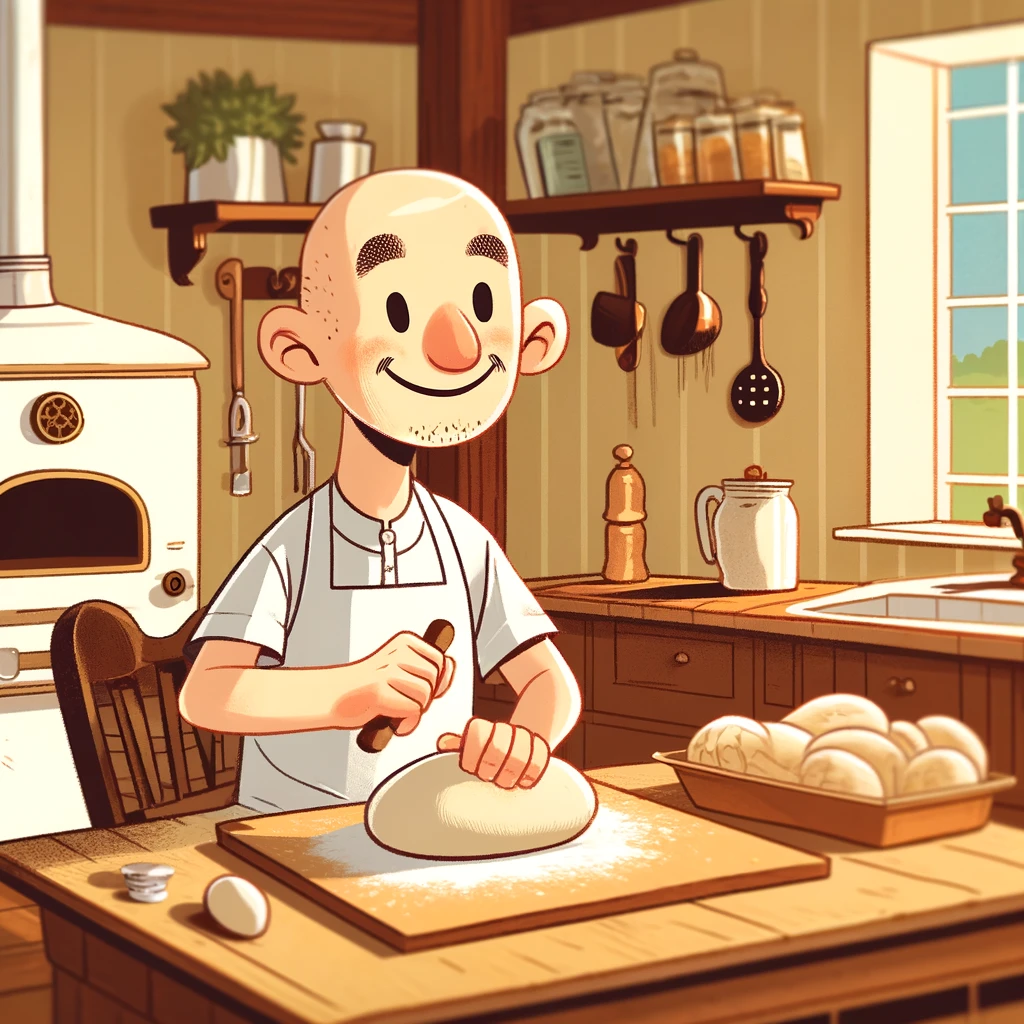
Once you’ve gathered your ingredients, it’s time to get your hands dirty. Kneading is an essential step in bread baking, as it helps to develop the gluten in the dough and create a smooth, elastic texture.
- Start by mixing your ingredients in a large bowl until they come together in a shaggy dough.
- Turn the dough out onto a lightly floured surface and get ready to put some muscle into it.
- Use the heels of your hands to push the dough away from you, then fold it back over itself and give it a quarter turn.
- Repeat this process for about 10-15 minutes, or until the dough becomes smooth and springy.
- If you’re feeling lazy (or if you have carpal tunnel syndrome), you can also use a stand mixer fitted with a dough hook to do the kneading for you. Just don’t tell anyone I said that.
Let It Rise, Let It Rise, Let It Rise
After you’ve kneaded your dough to perfection, it’s time to let it rest and rise. This is where the magic happens, folks.
- Place your dough in a lightly oiled bowl and cover it with a damp towel or plastic wrap.
- Find a warm, draft-free spot in your kitchen and let the dough rise until it has doubled in size. This can take anywhere from 1-2 hours, depending on the temperature and humidity of your kitchen.
- Resist the urge to peek at your dough every five minutes. It’s like watching paint dry, except less exciting.
- Once your dough has doubled in size, punch it down and give it a quick knead to release any excess air bubbles.
- Shape your dough into a loaf and place it in a greased loaf pan, or on a baking sheet if you’re feeling fancy.
- Let the dough rise again until it has doubled in size. This second rise is crucial for creating a light, airy texture in your finished loaf.
Bake It Till You Make It
Now for the moment of truth: it’s time to bake your bread. Preheat your oven to the temperature specified in your recipe, and get ready to create some carby magic.
- Place your loaf in the oven and bake it until it’s golden brown and sounds hollow when you tap on the bottom.
- If you’re feeling extra fancy, you can brush the top of your loaf with an egg wash or sprinkle it with seeds or herbs before baking.
- Resist the urge to open the oven door every five minutes to check on your bread. This can cause your loaf to deflate faster than a soufflé at a Metallica concert.
- Once your bread is done, remove it from the oven and let it cool on a wire rack before slicing into it. This will help to prevent the crust from getting soggy and the interior from turning gummy.
The Yeast Whisperer
If you really want to take your bread baking game to the next level, you need to become a yeast whisperer. Yeast is a living organism, and like all living things, it has its own unique personality and quirks.
- Make sure your yeast is fresh and active before using it. You can test it by mixing a small amount with warm water and a pinch of sugar. If it foams up within 10 minutes, it’s good to go.
- Don’t use water that’s too hot or too cold when mixing your yeast. The ideal temperature is between 105-110°F (40-43°C). Any hotter and you’ll kill the yeast; any colder and it will take forever to activate.
- If your dough isn’t rising, don’t panic. There are a few tricks you can try to coax your yeast out of its shell:
- Add a pinch of sugar to the dough to give the yeast something to munch on.
- Place the dough in a warm, humid environment like a slightly preheated oven or a bathro om with the shower running.
- Sing to your dough. Yeast loves a good show tune.
The Bread Whisperer
Speaking of singing to your dough, let’s talk about the emotional connection between baker and bread. Baking bread is a lot like raising a child: it requires patience, love, and the occasional late-night meltdown.
- Don’t be afraid to talk to your dough. Give it words of encouragement as you knead it, and tell it how proud you are as it rises.
- If your bread doesn’t turn out perfect the first time, don’t get discouraged. Baking is a learning process, and even the most experienced bakers have their off days.
- Remember, your bread can sense your fear. If you approach it with confidence and a positive attitude, it will respond in kind.
- And if all else fails, just remember: even a bad loaf of homemade bread is still better than store-bought.
Crust-tastrophe Crust Control
One of the most important aspects of a good loaf of bread is the crust. A crispy, golden-brown crust can elevate a ho-hum loaf to new heights of deliciousness, while a soft, pale crust can make even the most carefully crafted loaf fall flat.
- To achieve a crispy crust, make sure your oven is preheated to the correct temperature before placing your loaf inside.
- You can also try placing a shallow pan of water on the bottom rack of your oven to create steam, which will help to develop a crispier crust.
- If your crust is getting too dark too quickly, you can tent it with foil during the last 10-15 minutes of baking.
- And if you really want to go for the gusto, you can brush your crust with olive oil or melted butter before baking for an extra-crispy, extra-flavorful finish.
The Crumb Shot
Once your bread has cooled and you’ve sliced into it, it’s time for the moment of truth: the crumb shot. The “crumb” refers to the interior texture of the bread, and a good crumb shot can make or break your bread-baking reputation.
- To achieve an even, open crumb, make sure your dough is well-kneaded and properly risen.
- Avoid adding too much flour during the kneading process, as this can lead to a dense, heavy crumb.
- When shaping your loaf, be gentle and avoid deflating the dough too much.
- And when slicing your bread, use a sharp, serrated knife and saw gently to avoid squishing the delicate interior.
Baker’s Bonus: Bread Puns
Now that you’ve mastered the basics of bread baking, it’s time to up your game with some bread puns.
- What did the baker say when his loaf fell on the floor? It’s a crumby situation!
- What do you call a loaf of bread that’s been stolen? Kidnapped!
- Why did the baker go to the doctor? He was feeling crumby!
- What do you call a baker with a sense of humor? A real wisecracker!
- Why did the bread dough go to the beach? To catch some rays!
The Bread-quel
If you’ve made it this far, congratulations! You’re well on your way to becoming a bread-baking master. But don’t stop now – there’s a whole world of bread out there waiting to be explored.
- Try your hand at sourdough, the king of artisanal bread. It requires a bit more patience and finesse than traditional bread, but the tangy, complex flavor is well worth the effort.
- Experiment with different flours and mix-ins to create your own unique loaves. Rye bread with caraway seeds? Rosemary focaccia? The possibilities are endless.
- Join a bread-baking club or take a class to hone your skills and learn from other passionate bakers.
- And most importantly, have fun! Baking bread is a joyful, creative process that can bring people together and create lasting memories.
The Last Crumb
So there you have it, folks: the ultimate guide to bread baking for beginners. Armed with these tips and tricks (and a healthy dose of bread puns), you’re ready to take on the world, one loaf at a time.
Just remember: bread baking is a journey, not a destination. There will be triumphs and failures, ups and downs, and plenty of flour-covered surfaces along the way. But with a little patience, a lot of love, and maybe a few show tunes, you’ll be churning out loaves like a pro in no time.
So what are you waiting for? Get out there and start baking! And if you need me, I’ll be in the kitchen, singing “On Top of Old Smokey” to my sourdough starter.
Happy baking!
Recent Posts
So you clicked this link. That tells us everything. Somewhere in that nicotine-soaked brain, there's a tiny survivor waving a white flag, begging for mercy. Maybe it's time to listen to that...
Nobody handed you a rulebook when you walked in. There's no orientation video. No pamphlet titled "So You've Decided to Stop Being a Disaster: A Beginner's Guide." You just showed up, grabbed some...