
Last Updated on November 18, 2024 by Michael
Cryptocurrency: Because Regular Money is for Losers
Cryptocurrency, the ultimate rebellion against regular, boring, government-approved cash. You know that piece of paper you pull out to buy a donut? Forget it. We’re talking about a completely digital way to exchange value that runs on mysterious technology, mathematics, and maybe some sorcery. Who really knows? It might even be powered by the secret tears of Silicon Valley tech bros.
If you think traditional finance is like using a rusty shopping cart, then crypto is like strapping rockets to your fridge, setting it on fire, and screaming down the highway while eating glitter. It’s chaotic, it’s absurd, and it might just be the future. Or the reason you lose your life savings, but hey, nobody said fun was free.
If you’re still with me, congratulations. You’re about to understand just enough about cryptocurrency to baffle your friends and possibly buy a bunch of nonsense JPEGs. Let’s get unreasonably informed.
The Magic Internet Beans You Never Knew You Needed
Let’s start with what makes cryptocurrency actually worth a damn—magic. I’m kidding. Mostly. It’s all about decentralized systems, but who cares about the buzzwords? Imagine a bunch of people with computers, none of whom trust each other, all agreeing on something. That’s crypto. It’s like a dysfunctional family reunion where nobody trusts Uncle Bitcoin, but they all agree he’s probably the best person to hold onto the Thanksgiving leftovers.
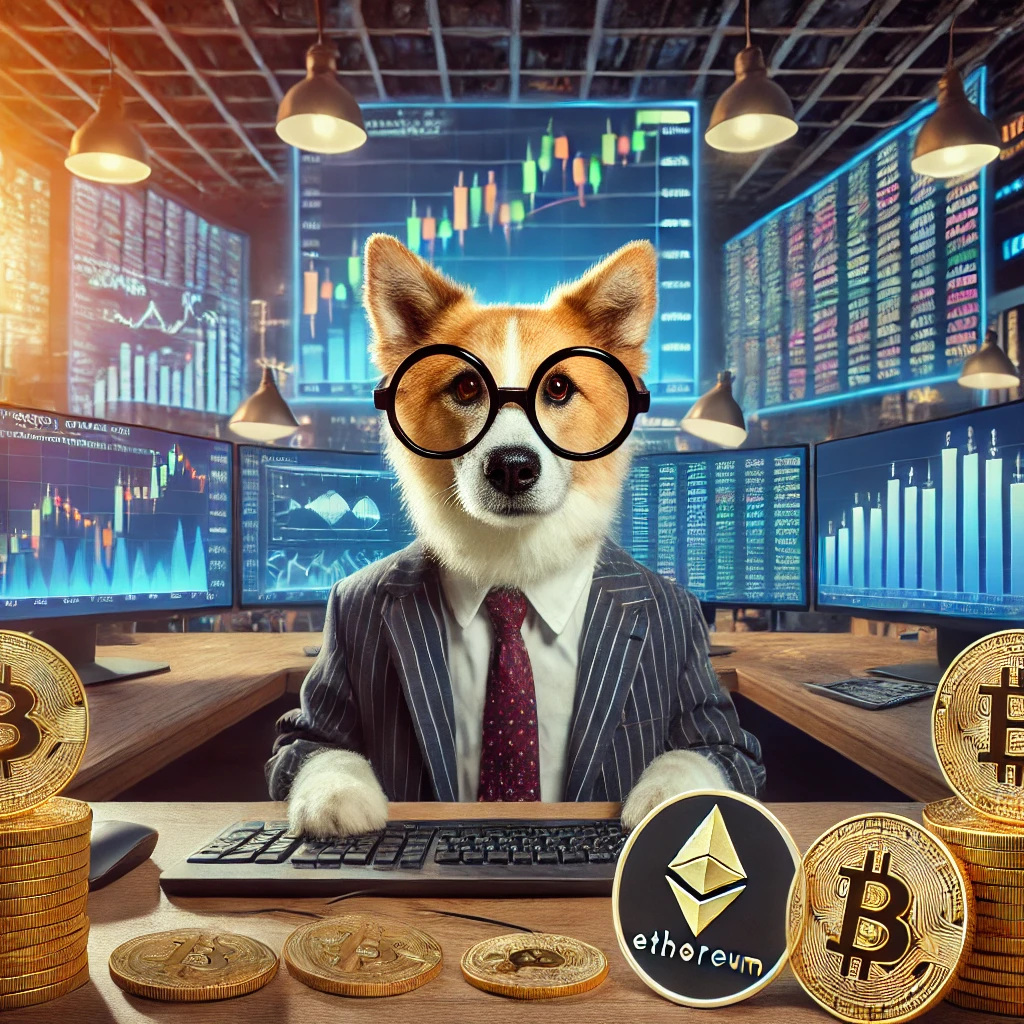
Cryptocurrencies are like digital versions of rare Pokémon cards, except instead of Charizard, you get something called Bitcoin, Ethereum, or Dogecoin, which is named after a meme dog that looks permanently confused (and now you look permanently confused too). The value of these currencies can go up or down based on a multitude of factors, such as Elon Musk’s tweets, the mood of Reddit forums, and whether Mercury is in retrograde.
These currencies exist on something called a blockchain, which is not a Lego set, despite the misleading name. It’s a public ledger. You know, like that diary you left at summer camp when you were 12, only now every weird thought you’ve ever had is copied and distributed to every other 12-year-old forever. Yeah, it’s that, but for transactions. Every time someone does something sketchy with crypto, a new block is added to this digital monument to chaos.
But don’t get too comfortable. There are over 10,000 different cryptocurrencies, each with its own special brand of crazy. There’s one that promises to make you rich, one that promises to revolutionize fruit trade (probably), and another that’s just for people who want to be ironic (I’m looking at you, Dogecoin). You can use crypto to buy things, lose things, and, most importantly, impress strangers on the internet by telling them you “HODL.” What’s HODL, you ask? It’s a typo that became gospel. Welcome to the fun house.
How Blockchain is Just a Fancy Word for Confusing Digital Stuff
Blockchain is the backbone of crypto. It’s the plumbing of your house, except all the pipes are invisible, and instead of carrying water, they’re filled with question marks and existential dread. Blockchain is like if a billion people had one shared notebook, and every time one of them scribbled, it somehow made the entire notebook more secure. If this doesn’t make sense to you, congratulations, it doesn’t make sense to anyone.
Every time you send cryptocurrency to someone, you’re adding a block to this chain, which is then verified by other people on the network in a process called mining. No, not like digging in the dirt with pickaxes. Think of it as solving Sudoku puzzles on steroids, but you’re racing against 100,000 people and the only prize is a digital coin worth more than your car. Or less. Depends on the day.
Mining requires powerful computers that eat electricity for breakfast, lunch, and dinner, plus snacks in between. Environmentalists absolutely love it. Actually, that was sarcasm. Mining has a carbon footprint larger than Godzilla’s feet after a weekend bender in Tokyo. Yet, despite this, thousands of people do it anyway, mainly because the rewards can buy a lot of avocado toast. It’s a gamble, like betting on a horse that might spontaneously combust halfway through the race. But if it wins, oh boy, do you get to be insufferable at dinner parties.
Blockchain is like that friend who insists they know how to do their taxes without help. You want to trust them, but there’s always a little voice that says, “This feels like a mistake.” The technology is complicated, layered, and somehow makes basic accounting a heroic act. But don’t let that stop you from pretending to understand every bit of it. After all, everyone else is doing it too.
Mining: Or How to Melt Your Computer for Fun and Profit
Cryptocurrency mining is the process where overconfident people attempt to harness the computing power of every device they can get their hands on, just to verify some transactions. Why? Because the gods of crypto bless them with new coins for their efforts. Think of it like a lottery, but you need the computational power of a small country to even buy a ticket.
To start mining, you’ll need specialized hardware, a significant electricity budget, and a complete disregard for your monthly energy bill. Picture your computer as a caffeine-addled gremlin. You’re forcing it to solve math problems nonstop while hoping it will spit out something valuable before it burns itself out. And then there’s the noise—mining rigs sound like a jet engine being powered by the tears of the hopeful. It’s the noise of optimism and crushing disappointment blended into a symphony of despair.
Oh, and let’s not forget the heat. These machines run hot, like “melt-your-ice-cream-from-across-the-room” hot. Good news if you live in Antarctica, less good news if you’re in an apartment without air conditioning. You might be generating cryptocurrency, but you’re also generating the kind of heat that makes your cat move out of the living room.
But if you’re lucky, all this suffering can eventually pay off. You might successfully mine a Bitcoin, and then you get to watch the price skyrocket, plummet, and bounce back up again while questioning every life decision you’ve ever made. It’s like day trading, but with extra steps and the chance of setting your home on fire.
Then there’s the part where your government gets involved. Surprise! The moment you start making anything of value, authorities want a slice. Taxing crypto is like a really boring heist movie where accountants are the villains. You’re trying to keep track of digital tokens that fluctuate in value every five seconds while some guy named Gary from the IRS breathes down your neck. You thought you were being edgy, but suddenly you’re just a guy doing more paperwork than you ever wanted to.
Wallets: Where Digital Coins Hide and Occasionally Vanish
Cryptocurrency wallets aren’t leather bi-folds stuffed in your back pocket. They’re more like digital vaults, except sometimes the vault door disappears and all your money gets teleported into the void. A crypto wallet is a place where you store your magic internet money, and there are two types—hot wallets and cold wallets. Sounds sexy, right? It’s not.
Hot wallets are like that friend who’s always on their phone—convenient, easy to access, and probably a little too trusting. These wallets stay connected to the internet at all times, making them vulnerable to hackers, phishers, and probably your nosy neighbor. You use them for quick transactions, but it’s a bit like leaving your wallet on the dashboard of your car with the doors unlocked. Yeah, it’s there, but for how long?
Cold wallets, on the other hand, are not connected to the internet. They’re like shoving your money under a mattress in the deep woods where no one can find it—except sometimes, even you can’t find it. Ever heard of someone losing millions in Bitcoin because they forgot their password? Yep. Cold wallets are the financial equivalent of writing down your secrets, putting them in a bottle, and then throwing that bottle into the ocean. It’s all fine until you can’t remember which ocean you threw it into.
If you want to feel the rush of paranoia, just start using a cold wallet. You’ll suddenly realize that forgetting a single password could mean losing more money than you’ve ever seen in your entire life. Now you’re spending your days coming up with genius passphrases, and even better, trying to remember them without a scrap of paper because “writing it down” would just be “too easy.” Sure, you could tattoo it on your body, but that just means someone’s going to come after you with a knife. No thanks.
And let’s not forget about hardware wallets. It’s like keeping all your wealth in a USB stick. You feel like a badass until you realize you’ve misplaced it somewhere between your couch cushions and the laundry basket. One minute you’re a crypto mogul, the next you’re rifling through dirty socks in a panic.
Trading Crypto: How to Feel Like a Genius and an Idiot at the Same Time
Now that you’ve mined some coins and safely locked them away, it’s time for trading. Cryptocurrency trading is like betting on a game where no one knows the rules and the referees are just raccoons throwing dice. You log into your favorite exchange, watch the green and red lines bounce around like they’re in a mosh pit, and decide, “Yeah, I know what I’m doing.” Spoiler: you don’t.
There are different ways to trade crypto, from day trading to HODLing (that’s holding, but you’re typing with your fists). Day trading is perfect for those who enjoy high blood pressure, compulsive behavior, and an irrational hatred for time zones. You watch charts all day, trying to spot the perfect opportunity to make a move, like a cat waiting to pounce on an invisible mouse.
And then there’s HODLing. The brilliant strategy of just sitting on your crypto and waiting until it’s worth so much you can buy a Lambo, or at least a really fancy unicycle. HODLing is like buying a winning lottery ticket and refusing to cash it in just to see if it could become even more valuable, despite the possibility of it suddenly becoming worth less than a cup of expired yogurt.
The real beauty of trading crypto is how it convinces you that you’re always on the brink of becoming a genius. You buy a token, the price goes up, and you start to feel like the Wolf of Wall Street. Then the price crashes, and suddenly you’re the worm of Main Street, curled up in the fetal position, googling “How to cope with crippling financial loss.” Crypto is emotional whiplash, except instead of insurance payouts, all you get are sleepless nights and a bottle of antacids.
Let’s not even talk about those infamous pump-and-dump schemes, where a coin skyrockets in value because some faceless group decided it was time to mess with people. One minute you’re riding the wave to financial freedom, and the next you’re drowning because the whales jumped ship. You blink, and your gains vanish faster than your will to keep investing. It’s exhilarating in a “please-make-it-stop” kind of way.
NFTs: Because Owning Real Things is Overrated
Just when you thought cryptocurrency couldn’t get any weirder, along come NFTs—Non-Fungible Tokens. Imagine buying a JPEG of a cartoon ape for the price of a small house, and then insisting it’s a smart investment. Welcome to the bizarre circus that is the NFT world, where art meets finance, and everyone’s a collector of things they can’t physically touch or explain.
NFTs are essentially certificates of ownership for digital items, and by items, I mean anything from pixel art to tweets. People have literally paid millions for digital drawings of rocks. Not rocks in the real world—drawings of rocks. It’s like someone telling you, “I own this rock,” and instead of showing you an actual rock, they pull out a piece of paper with a poorly drawn pebble. And somehow, you’re supposed to be impressed.
NFT enthusiasts argue that it’s all about proving ownership of something unique, but it feels more like proving who has the most money to burn on a flex. Sure, you own that GIF of a cat playing a keyboard, but anyone else can right-click and save it too. It’s a brave new world where bragging rights consist of saying, “I spent $10,000 on this digital banana, and no, I can’t actually eat it.”
The NFT marketplace is like a garage sale held in an alternate dimension where the only things for sale are poorly rendered cartoons and questionable promises. One day, you’re buying a piece of pop culture history, and the next, you’re staring at a cartoon bear you can’t resell because the hype evaporated faster than water in the Sahara. It’s an ecosystem designed to make you question the very concept of value.
And then there are the NFT collections—like those generative ape profiles that everyone was rocking as their social media avatars. You know, the ones that make you wonder if Planet of the Apes was actually a cautionary tale about the art market. Collectors were spending ridiculous sums just to say, “This one’s wearing a sailor hat, and it cost more than your car.” Never have so many people been so eager to throw money at animal-themed clipart.
Cryptocurrency: A Roller Coaster You Can’t Get Off (And Kind of Don’t Want To)
Cryptocurrency isn’t just money; it’s a lifestyle choice. One that involves high risk, high rewards, and the potential to end up living in a van because you made some questionable financial decisions. It’s a wild ride that blends finance with chaos, promising riches while delivering constant stress. And yet, somehow, it’s exhilarating.
Recent Posts
So you clicked this link. That tells us everything. Somewhere in that nicotine-soaked brain, there's a tiny survivor waving a white flag, begging for mercy. Maybe it's time to listen to that...
Nobody handed you a rulebook when you walked in. There's no orientation video. No pamphlet titled "So You've Decided to Stop Being a Disaster: A Beginner's Guide." You just showed up, grabbed some...