
Psychological Techniques Professional Athletes Use
Champion Mindset: The Psychology Behind Athletic Excellence
The Mind Games Behind the Muscles
Professional athletes are genetic freaks with muscles where normal humans have bones. But guess what? Those sweaty demigods are actually playing 4D chess with their own brains while the rest of us can barely remember where we put our car keys.
Ever wonder why you can’t sink a free throw to save your life, but pro basketball players can do it with their eyes closed while mentally calculating their tax deductions? Psychological techniques, baby!
The secret sauce isn’t just in their physical training. It’s in their heads. And not in a “they’re crazy” way (although have you SEEN what golfers wear voluntarily?)
Visualization: Not Just for Weirdos Anymore
Visualization was once just something your hippie aunt did with crystals. Turns out she was onto something, and professional athletes have been stealing her techniques for years.
Athletes don’t just practice physically – they run through entire performances in their minds. Repeatedly. Obsessively. Like your ex stalking your Instagram, but productive.
How athletes actually visualize:
- “The ball and I are cosmic partners.” (Basketball players)
- “That goalpost is my ex’s face.” (Football kickers)
- “Don’t trip on national television.” (Everyone)
When elite swimmers’ goggles fill with water during races, they’ve already “seen” it happen in their mind and know exactly what to do. Meanwhile, you panic when the shower turns cool.
Try this visualization technique:
- Close your eyes and picture yourself performing perfectly
- Add sensory details – sounds, feelings, even smells
- Introduce potential problems and visualize overcoming them
- Practice daily for 5-10 minutes
Self-Talk: The Voices Are Real (And They’re Helpful)
The difference between you and pro athletes? When they hear voices in their head, they’re winning championships. When you hear voices, you’re just forgetting to take your medication.
Professional athletes have mastered the art of positive self-talk. While your internal monologue is saying “don’t mess up don’t mess up don’t mess up,” theirs is a personal TED talk mixed with a locker room speech from a movie.
Translation guide to athlete self-talk:
| What they say publicly | What they actually tell themselves |
|---|---|
| “I focus on the process” | “Don’t choke don’t choke DON’T CHOKE” |
| “I take it one game at a time” | “I am the GOLDEN GOD of sport” |
| “My opponents are formidable” | “I will destroy your bloodline, Trevor” |
| “I’m grateful for the challenge” | “These people paid how MUCH to watch me?!” |
How to improve your self-talk:
- Catch negative thoughts (“I’ll fail”) and replace them with positive alternatives (“I’m prepared”)
- Use your name instead of “I” when talking to yourself (increases mental distance)
- Adopt a power phrase that resonates with you (“I eat pressure for breakfast”)
- Practice out loud when alone (yes, talk to yourself like a weirdo)
Side effects include increased confidence and decreased friends if people overhear you.
Pre-Game Routines: Basically Sanctioned OCD
Ever wonder why athletes seem so methodical before competition? What’s the difference between an athlete with a pre-game routine and someone with obsessive-compulsive disorder? About $20 million in endorsement deals.
These routines aren’t just superstition (okay, they’re mostly superstition) – they’re psychological anchors that help athletes get into their performance zone. And boy, are they weird.
The most bizarre pre-game rituals that actually worked:
- Tennis pros bounce the ball a specific number of times before each serve. They also tie their shoelaces in a specific way and bring their shower sandals to the court. If they’re winning, they’ll keep wearing the same socks throughout a tournament. The smell of victory is apparently identical to foot odor.
- Baseball players eat the exact same meal before every game for years. Not just any meal – it has to be consumed at exactly the same time. They also draw symbols in the dirt before each at-bat. Whatever works!
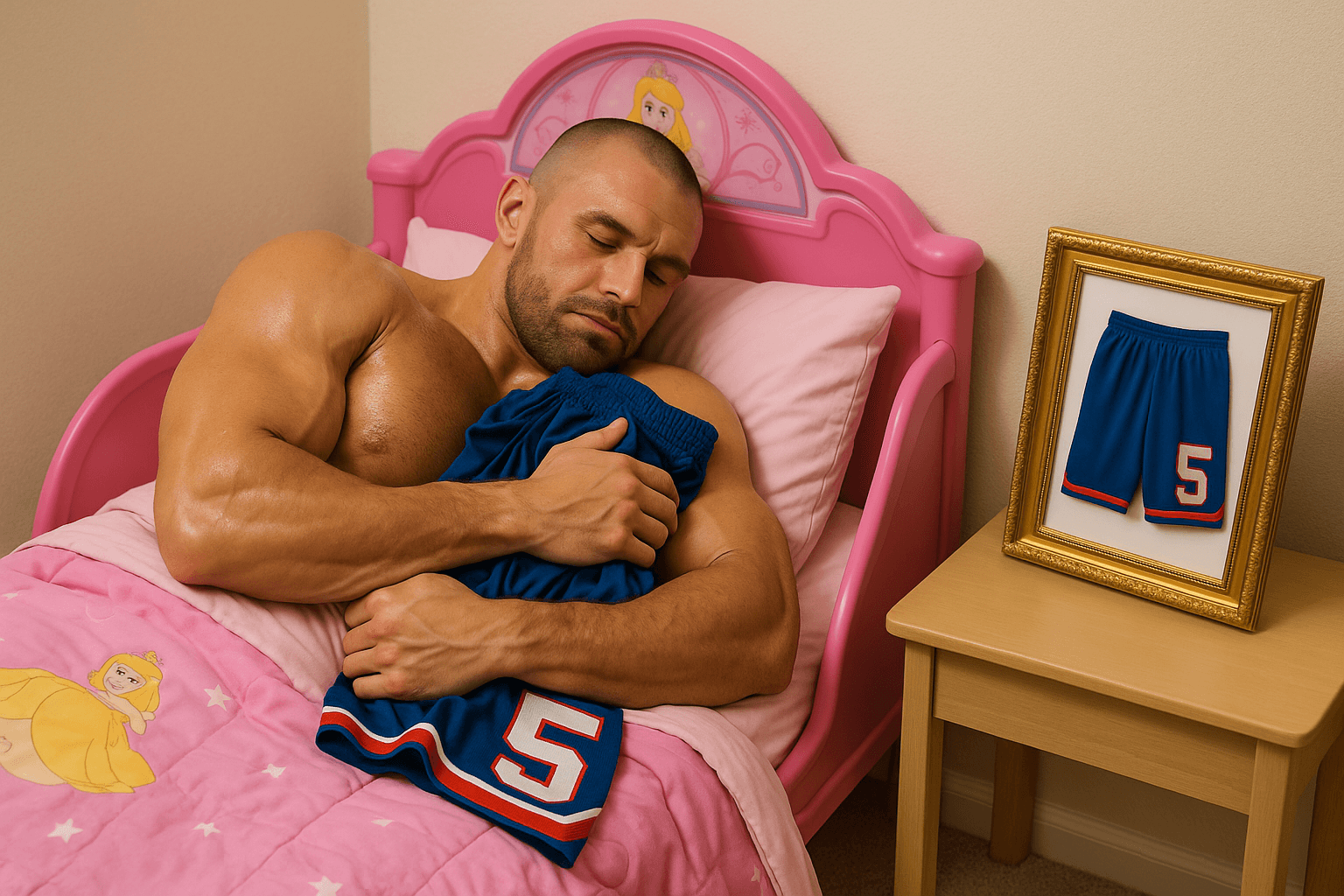
- Basketball players wear the opponent’s shorts to bed the night before games. This raises so many questions. Where do they get them? Do they wash them first? Is this technically stealing?
Create your own pre-performance routine:
- Start small with 3-5 consistent actions
- Practice the sequence until it becomes automatic
- Use physical triggers (like clapping hands three times)
- Add mental cues (“game time” or another phrase)
- Stick with it even when you don’t feel like it
Think about it. These weirdos get paid millions to be superstitious while your therapist charges you $200 an hour to stop checking if you locked the door fifteen times.
Focus Techniques: Tuning Out Everything Except Their Paychecks
How do athletes maintain focus with thousands screaming and cameras flashing? They’ve mastered selective attention and mental stamina – focusing only on relevant cues while filtering out distractions.
It’s like having a mental spam filter, except instead of blocking emails about enlargement pills, they’re blocking out everything that isn’t directly related to their performance.
Things athletes have successfully tuned out:
- Screaming fans
- Trash-talking opponents
- That one guy with the airhorn
- The existential dread of eventual retirement
- The fact that they peaked in their 20s
Develop Athletic-Level Mental Focus:
Step 1: Pick one object to concentrate on
Step 2: Eliminate all distractions
Step 3: Fail miserably because you just remembered an embarrassing thing you did in 2007
Step 4: Give up and check your phone
Step 5: Respect athletes even more
The competitive mindset required to maintain this focus takes years to develop. Your attention span got tired halfway through this paragraph, didn’t it?
Handling Pressure: When Diamonds Are Made (Or People Crumble Like Cookies)
When the game is on the line, some athletes transform into clutch performers while others fold faster than Superman on laundry day.
The secret? Reframing pressure as opportunity. While you see a terrifying do-or-die situation, they see a chance to be the hero. It’s not that they don’t feel pressure – they just have a different relationship with it.
Pressure-handling techniques you can try today:
- Controlled breathing – Not just for giving birth and anger management!
- Staying present – Because the future is where anxiety lives
- Routine reliance – See the sanctioned OCD section above
- Embracing the suck – Acknowledging that pressure feels terrible but doing it anyway
- Remembering it’s just a game – Haha just kidding, no athlete thinks this
During those epic comebacks you see in sports? While everyone else is panicking, elite athletes with strong performance anxiety management and performance psychology skills are probably thinking about their grocery lists. That’s mental fortitude. That’s also probably why their diets are so weird.
Mental Recovery Techniques: Bouncing Back Like a Rubber Ball
You think physical injuries hurt? Try the mental wounds of choking during the championship.
Athletes recover from public failures within hours while you’re still embarrassed about that awkward high-five from 2019.
The pros have an entire mental recovery toolkit that would make therapists jealous. They follow the 24-hour rule (feel all feelings for exactly one day, then move on), review video footage of their mistakes like emotional masochists, reframe every humiliating defeat as a “growth opportunity,” and develop selective amnesia about catastrophic performances. It’s fascinating psychological resilience in action.
Mental recovery steps for mere mortals:
- Acknowledge the disappointment without dwelling on it
- Identify what went wrong without self-blame
- Extract lessons from the experience
- Create a specific plan to improve
- Visualize future success with these improvements
Most pro teams now employ sports psychologists who specialize in mental resilience and psychological recovery. These therapists are the professional mind-mechanics who rebuild athletes’ confidence after brutal losses.
The real difference? Athletes learn to fail forward. Their psychological resilience comes from reframing each setback as data, not disaster. Your dating strategy could use this approach, but your ex probably won’t see your latest rejection as “collecting data.”
Goal-Setting Strategies: Not Just New Year’s Resolutions
Athletes don’t just have goals.
They have an entire ecosystem of interconnected targets.
Your bullet journal would cry if it saw their approach.
The difference between your “get in shape” goal and an athlete’s approach? Mental conditioning and extreme specificity in their athletic psychology.
The pro athlete goal hierarchy:
- Outcome goals: Win the championship
- Performance goals: Improve free-throw percentage to 85%
- Process goals: Practice 500 free throws daily with perfect form
What makes athlete goals actually work is how they’re structured – written down, measurable, time-bound, reviewed regularly, and connected to specific actions.
Meanwhile, your goal to “eat better” lasts until you drive past a fast food restaurant.
The most powerful psychological trick? Athletes set goals just beyond their current abilities – challenging enough to require growth but not so impossible they give up. This creates what psychologists call the “flow state” but what normal people call “being in the zone.”
Conclusion: The Mental Game Matters
While we marvel at the physical feats, remember that professional athletes aren’t just physical specimens – they’re mental warriors who have hacked their brains to perform under conditions that would make normal people curl up in the fetal position and rock back and forth.
Next time you watch sports, remember: behind every amazing physical feat is a mind that’s been trained just as rigorously as those show-off muscles.
And if all this talk about mental techniques has inspired you, remember the most important psychological technique: lowering your expectations to a level where you can’t possibly be disappointed.
Now get out there and visualize yourself getting off the couch! Your sofa cushions need a break from your butt imprint anyway.

